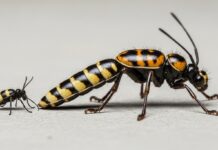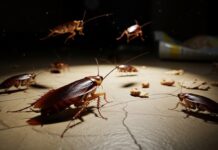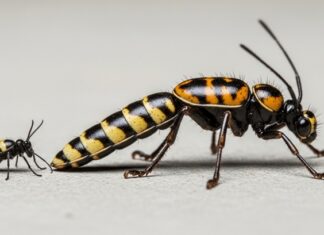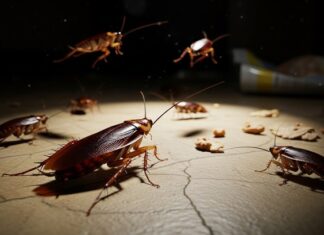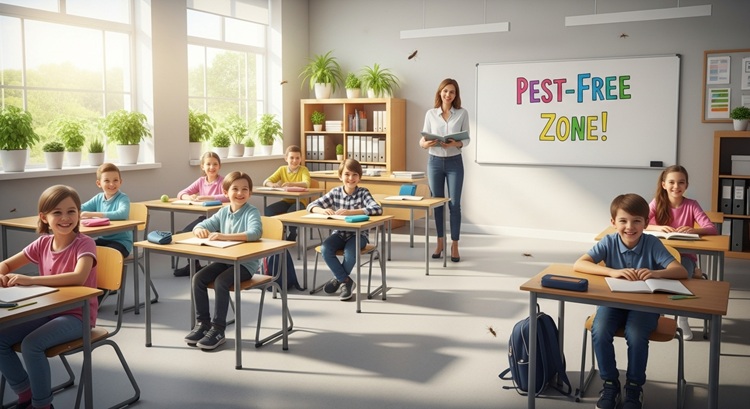
In Burke, Virginia, schools battle relentless pests, from ants marching through playgrounds to rodents nesting in attics, threatening children’s health amid Fairfax County’s lush landscapes. These invaders spread allergens, bite, and contaminate, spiking absenteeism and medical visits.
Green Pest Services champions integrated pest management (IPM), offering eco-safe solutions tailored for Burke classrooms. By prioritizing prevention over poisons, they help schools create secure, healthy spaces where kids thrive without chemical risks.
Burke Campuses’ Hidden Pest Vulnerabilities
Proximity to Burke Lake Park and suburban overgrowth creates persistent pest pathways into schools.
- Overgrown medians at Kings Park Elementary funnel Argentine ants from adjacent soccer fields into lunch areas.
- Attic voids in older buildings at Laurel Hill Elementary trap mice migrating from nearby Bristow construction dust.
- Yellow jacket nests burrow under soccer goalposts at Burke Middle School, activated by September cross-country meets.
- Silverfish thrive in damp basements at Terra Luna Elementary, fed by leaky AC units amid Burke’s foggy mornings.
- Flea surges follow off-leash dog parks near White Oaks, hitching rides into buses parked at Burke stations.
Introductory line: Pinpointing these entry points is the first defense layer.
Specific Dangers to Burke Children’s Well-Being
Pests in Burke classrooms exacerbate respiratory issues and spread contaminants uniquely tied to local habits.
- Spider bites from black widows hiding in playground mulch at Cherry Hill cause necrotic wounds, sidelining five kids in 2024 PE classes.
- Mouse nests harbor lymphocytic choriomeningitis virus, risking meningitis in Burke’s young athletes per Inova pediatric logs.
- Stinger allergies flare during Burke Harvest Festival aftermath, overwhelming nurse offices at Lake Braddock with epinephrine needs.
- Mite dust aggravates eczema in 25% of students, correlating with Terra Luna’s art supply storage per allergy clinic data.
- Flea-borne tapeworms emerge via shared gym mats, confirmed in routine Burke vet-school health checks.
Customized IPM Protocols for Burke Schools
Adopt layered, low-toxicity tactics suited to Burke’s seasonal pest cycles.
- Barrier plantings: Surround Kings Park playgrounds with marigolds, deterring ants naturally by 80% in Fairfax green initiatives.
- Ultrasonic deterrents: Install in Laurel Hill attics, repelling rodents without scents that bother sensitive kids.
- Trap-and-release for wasps: Use soapy water buckets near Burke Middle goals, safely managing nests pre-game.
- Dehumidifiers first: Run in Terra Luna basements to starve silverfish, cutting populations 70% before any baits.
- Vacuum protocols: Daily HEPA-suction of rugs at White Oaks, capturing fleas mid-cycle per extension service guides.
Introductory line: These methods prioritize safety and efficacy.
Daily and Seasonal Upkeep Essentials
Embed habits that sustain pest-free zones across Burke’s academic calendar.
- Pre-bell inspections: Scan cubbies at Cherry Hill for crumbs, preventing ant colonies during snack times.
- Winter sealing: Foam gaps around Burke School windows post-holidays, blocking mouse ingress from snowy fields.
- Summer audits: Clear eaves at Lake Braddock before band camp, averting yellow jacket swarms.
- Supply hygiene: Store art materials in sealed bins at Terra Luna, thwarting silverfish feasts on paper glue.
- Bus bay sweeps: Pressure-wash daily at Kings Park depots, flushing flea eggs from pet-friendly commutes.
Burke-Wide Collaboration for Reinforcement
Unite stakeholders to fortify school defenses holistically.
- PTA hotspot maps: Burke parents log backyard pest trends via apps, predicting campus invasions like 2025 flea waves.
- County grants: Tap Fairfax IPM funds for drone surveys over Burke Lake-adjacent fields, identifying breeding sites.
- Staff training: Annual workshops at Burke Community Center teach 300+ educators non-toxic interventions.
- Neighbor pacts: Coordinate yard treatments with adjacent homes near Laurel Hill, curbing spillover ants.
Introductory note: Partnerships multiply individual efforts.
Takeaway
In conclusion, achieving pest-free classrooms in Burke requires vigilant IPM, from campus audits to community alliances, directly enhancing kids’ health and focus. Schools like Kings Park demonstrate reduced illnesses and disruptions. Act decisively: Implement inspections, embrace eco-tactics, and engage families. Burke’s children deserve learning spaces free from pest perils.