The process of restoring property mutilation to its pre-water form is known as water damage restoration. Inspection, separation, dehumidification, hygiene, and rebuilding (if required). These are the steps in the procedure.
Although certification is often not necessary for repair. It is best to have a restoration expert with the necessary equipment and expertise.
Why is it important to restore water damage?
The fact that structural destruction may be both a cause and an effect. It is one of the factors that makes repair crucial. Therefore, Water Damage Restoration Services must be contacted immediately for assessment and quick action.
Structural and water mutilation are closely related. And the existence of one frequently suggests the presence of the other.
This can cause ceilings, walls, as well as floors to fall. Mold, germs, and vermin can potentially cause long-term health problems. Especially if it is ignored or not addressed promptly.
Undervaluing the significance of a repair puts building inhabitants’ lives in grave danger. In addition to reducing the expertise, experience, and understanding needed to do such work.
What are the Main Reasons?
Just figuring out what caused the issue is the first step towards fixing it. When examining a property, professionals may more quickly identify the reason. That is if they are aware of the main sources of the issue.
The following are some of the main reasons why this problem occurs:
- Condensation in air conditioners
- Rainy weather conditions and natural calamities, such as fire
- Supply pipes made of PVC or rubber
- Malfunctioning home appliances
- Blocked gutters and drains
- Backups in septic tanks and sewers
- Leaking or ruptured pipes
- Outdated or malfunctioning heaters
- Sprinkler systems that are damaged
- Toilet overflow
- Non-functioning sump pumps
- Ineffective draining of roof
Which Signs Are There?
The capacity to proactively identify the indicators is one of the key procedures of a repair process.
- Materials that are bloated or twisted
- Fissures in the wall or ceiling
- Paint that bubbles or peels
- Musty or moist smells
- Sagging or tender areas
- Harm to the structure
- Puddles
- Mildew or mold – see https://www.texasstandard.org/stories/texas-home-flooding-mold-prevention/ for more details
- Stains
The Process
Conduct an Inspection
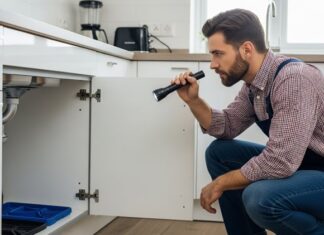
To determine the source, the category of contamination, and the class of damage. The professional performs an inspection or assessment.
The cause is closely tied to the supply. Even when the cause of the mutilation is known. It can still be challenging to locate the source of the H2O in some situations.
For example, flood rainwater may enter the property at several different sites. The expert will determine the type of contamination—White, Gray, and Black Water. That is after locating the source and cutting off its flow.
Determining the category of pollution will assist the specialist. Especially when it comes to determining the extent and kind of decontamination that will be required in the future. Determining the class—1, 2, 3, and 4—is the third step in the examination.
Use Extraction to Get Rid of Standing Liquid Matter
Extracting standing or stagnant H2O is particularly important when a house has a flooded basement. Submersible pumps and industrial vacuums are examples of extractors.
Portable wet and dry vacuums can be used to extract surface wetness. Once all standing liquid substances have been eliminated.
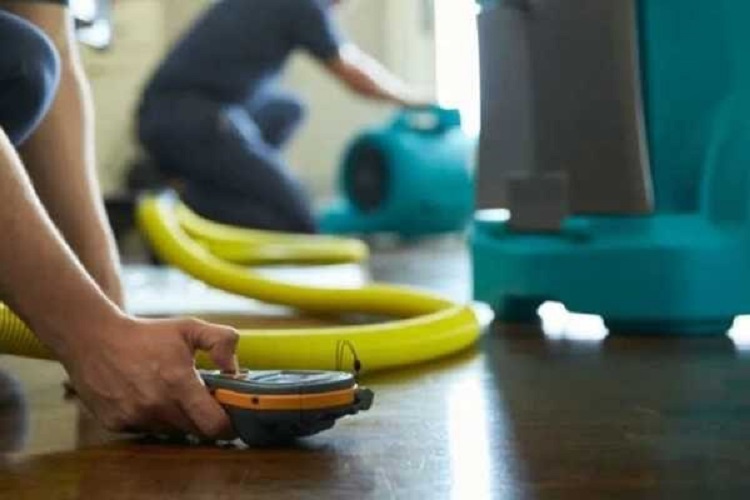
To find concealed areas of saturation beneath flooring or behind walls. The expert may also employ an infrared thermal camera or moisture meter. Additionally, even after vacuuming, some surface water could remain.
Dehumidify and Dry the Affected Areas
As with extraction, the professional will dry and dehumidify the impacted areas. Using tools like commercial-grade dehumidifiers and heavy-duty fans, including air movers.
The professional may also open doors and windows to improve air circulation in addition to employing these instruments. Dehumidification and drying, however, will typically take longer than wetness removal. Particularly if the devastation is Class 3 or 4 and partial wall and/or floor removal is necessary.
Sanitize and clean every surface.
Personal Protective Equipment or PPE must be worn by the specialist before mold removal. This includes an N-95 mask, goggles, gloves, rubber boots, disposable clothes, or protective overalls.
The professional will employ equipment like an air scrubber, a High-Efficiency Particulate Air, or a HEPA vacuum. And other negative air machines during sanitation, much like in extraction and dehumidification.
All surfaces must be cleansed using an antibacterial solution. Especially if the mutilation is classified as Category 3. Anyway, you will find this info helpful.
If required, repair and reconstruct.
The expert will remove items that cannot be saved in the last stage of the restoration process. Such as low to moderately dense trim boards, carpet padding, and drywall below the flood line.
Although they will probably need to be replaced, carpets may be thoroughly cleaned. If the mutilation is not Category 3 or Class 4, it may be possible to repair the drywall and reuse the wooden trim boards.
Reconstruction, however, can also be required. Particularly if a natural calamity caused the current condition of your property.